What folding socks into little balls reveals about someone, according to psychology experts
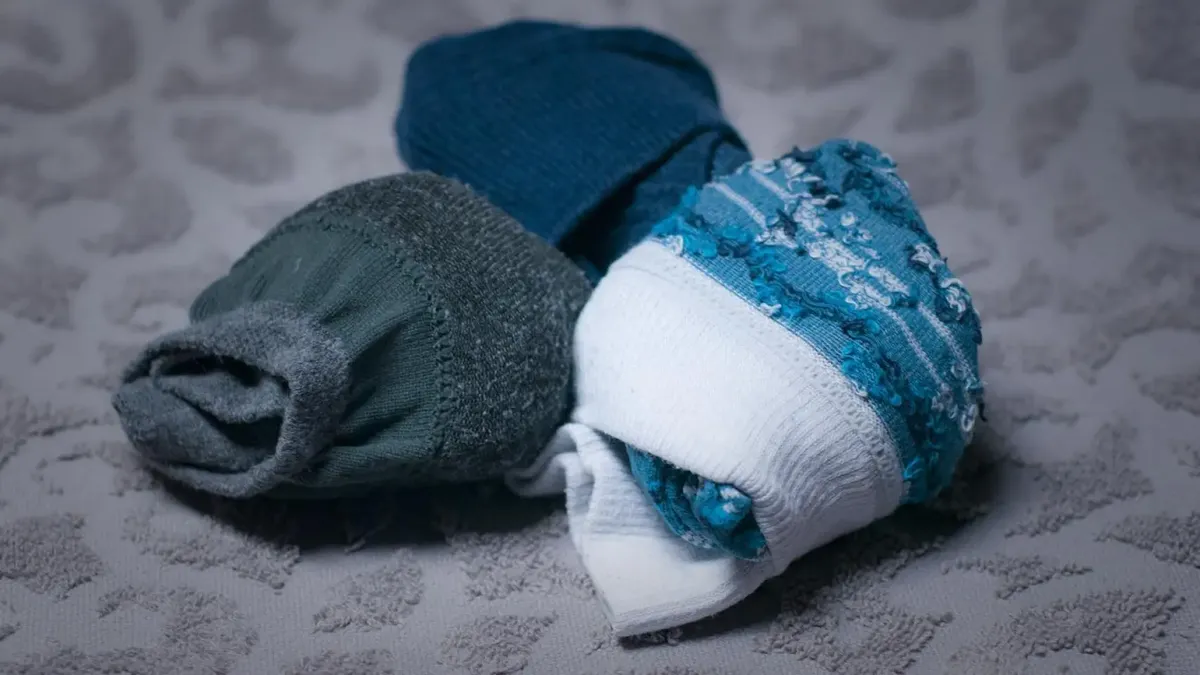
Have you noticed that the way you fold your socks can say something about you? What looks like a childhood chore, rolling socks into a small ball, can reveal aspects of personality and how someone organises their life. These everyday habits can reflect traits that otherwise seem trivial.
What a psychologist says
Dr Sam Gosling, an American psychologist and professor at the University of Texas, has studied how personal spaces reflect who we are. In his book Snoop: What Your Stuff Says About You, he examines how possessions and the way we organise them hint at deeper psychological patterns. Gosling argues that objects and their arrangement offer insight into identity.
The American Psychological Association (APA) links repeated household habits to the “Big Five” personality model (the five broad personality traits), especially the “factor of responsibility”, which covers organisation, planning and structuring. This suggests how we arrange personal spaces can mirror underlying personality traits.
More than a childhood habit
Many people learn to fold socks into little balls as children and keep the habit because it is practical. Psychologists say it is not merely an inherited routine. Small home behaviours, called “automatic household behaviours”, often reflect a desire for structure and practicality.
When repeated, these small actions shape personal style and show a preference for practical solutions. The APA links these domestic gestures to the “factor of responsibility” in the Big Five, emphasising organisation and planning in everyday actions like sock folding.
Traits of people who fold socks into a ball
- Preference for practical solutions: Folding socks this way makes pairs easy to find and stops them getting mixed up in the drawer.
- Tendency to functional order: It might not win any style awards, but it keeps daily life running smoothly by favouring function over looks.
- Efficiency-oriented thinking: Quick choices on small chores are valued; speed and simplicity matter.
- Moderate need for control of the environment: Grouping and classifying things creates predictability and comfort, helping to keep the space orderly.
These points show a balance between keeping things in order and preferring practical, efficient ways of doing things.
What this means for everyday life
Considering the psychology behind simple tasks such as sock folding can increase self-awareness and show how learned and inherited behaviours shape us. Recognising that small household routines reflect wider personality patterns may prompt reflection or small changes in how we do everyday tasks.
Viewing daily habits as more than childhood carryovers helps us understand how we relate to our immediate surroundings.