The hotel trick for streak-free shower glass
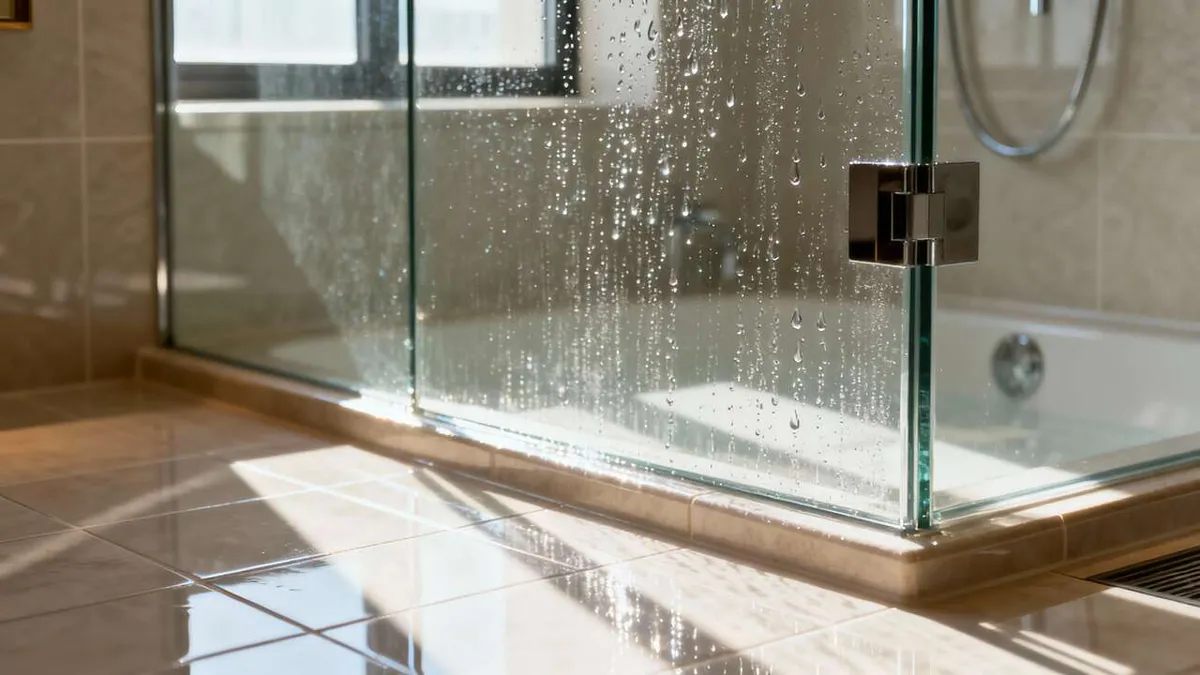
Keeping public spaces clean is important, and hotels are often a benchmark for bathroom standards. One common method used to keep shower screens clear is the melamine sponge, which restores glass without relying on harsh chemicals.
Why shower screens go cloudy
The main cause is limescale, especially in areas with hard water. When droplets evaporate on glass they leave mineral deposits made of calcium carbonate and magnesium. Over time those deposits form a white, hardened layer.
Add soap scum (soap residue mixed with body oils) and you get a two-layer problem. Acids break down the minerals but do not tackle grease well, while degreasers lift grease but leave minerals behind, which is why the mix is stubborn.
The melamine sponge, used in hotels
Hotels avoid abrasive chemical cleaners that can damage delicate surfaces and finishes. Instead they use the melamine sponge (often sold as a “magic eraser” or “magic sponge”). Made from melamine foam, it forms a mesh of tiny, firm filaments that act like very fine sandpaper. Those microfilaments abrade mineral and soap deposits away without a chemical reaction.
When the sponge is moistened, the filaments stiffen and can scrape off entrenched residues on glass. A light rub with a damp sponge, followed by a thorough rinse, removes deposits; the sponge can leave tiny particle residue from its own fibres.
Cleaning tips that work
For best results, wet the melamine sponge before you start. Gently squeeze out excess water and use light pressure, moving in circular motions over the glass. That prevents the sponge wearing out too quickly and makes the job easier.
Rinse the surface with clean water afterwards to remove leftover particles, then use a rubber squeegee from top to bottom for a professional finish. A final wipe with a microfibre cloth will pick up the last droplets.
How hotels stay on top of maintenance
In busy places like hotels, speed and efficiency matter. The melamine sponge produces fast results, removing stains that otherwise need long exposure to chemical cleaners. It is cost-effective (available in multi-packs from major retailers) and can replace several specialised cleaning products. Although the sponges are synthetic and disposable, they reduce the need for chemical detergents, which is a greener option despite disposability.
Preventive care helps a lot. Using the sponge once a week prevents build-up and contributes to hotels’ cleanliness standards. Using a squeegee after every shower can remove up to 90% of water on the glass, and spraying a vinegar solution can help dissolve any remaining minerals. Good ventilation, mechanical extraction or simply opening a window, keeps humidity down and helps prevent mould and water spots.
Hotels prioritise cleanliness. Applying these methods at home will give results comparable to a 5-star hotel and meet rising expectations for cleanliness in both hotels and homes.