The brilliant trick to make white residue on your hob vanish
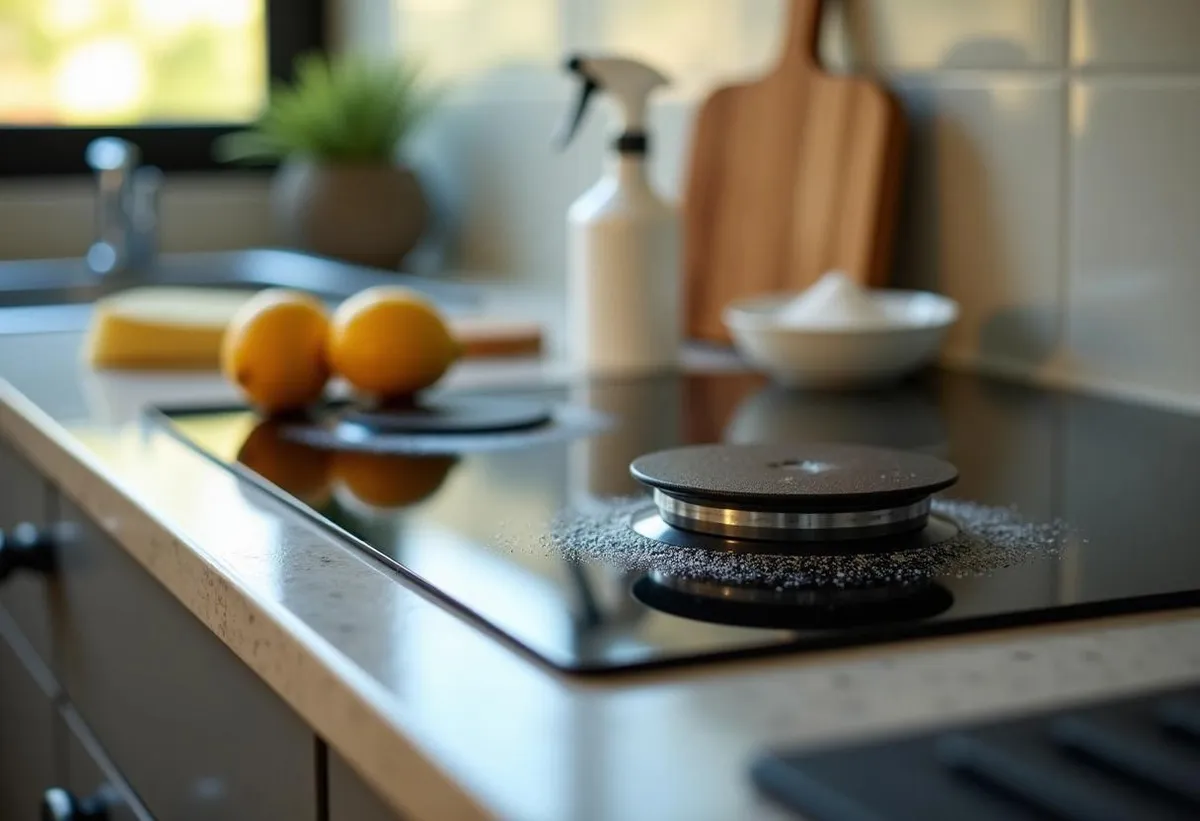
Stubborn stains and limescale on cooktops are common. Induction and glass-ceramic hobs, valued for their sleek appearance, often develop whitish rings that ordinary cleaners do not remove. This dulls the finish and, if cleaned incorrectly, can cause scratches and quicker return of marks. Knowing what causes these marks and how to treat them helps keep your kitchen both attractive and functional.
Why abrasive cleaners do more harm than good
Induction and glass-ceramic cooktops pick up daily wear from splashes and food residues. Many common cleaning products and tools can make this worse. Scratches and a dulled surface usually result from using overly harsh cleaners or scrubbing with rough implements. Once the surface is damaged, it collects new stains more quickly.
To keep hob surfaces in good condition, avoid abrasive substances and use mild cleaning methods. Natural alternatives reduce the risk of permanent damage and help maintain the cooktop’s appearance.
Lemon and bicarbonate of soda: a reliable natural fix
The pairing of lemon and bicarbonate of soda is an effective way to tackle limescale. Lemon’s acidity helps break down deposits, while bicarbonate of soda provides a mild abrasive action that cleans without scratching. This combination is inexpensive and has lower environmental impact.
Cut a lemon in half and rub the cut half over the stains on your cooktop. Sprinkle some bicarbonate of soda onto the slightly wet surface. Let the mixture sit for five to ten minutes, then gently rub with a non-abrasive sponge. Rinse with clean water to finish, and the hob should look cleaner. This method restores shine while avoiding harsh chemicals.
Tackling stubborn stains with white clay stone
For stains that will not shift, white clay stone can be a useful next step. It is available at most health-food or specialist shops and works well on deeply set residues. Apply a small amount of white clay stone to a slightly damp sponge and work on the marks; it removes even the toughest baked-on residue.
Regular upkeep reduces the need to use heavy-duty options frequently. Continue with gentle methods to prevent limescale build-up.
Why regular maintenance helps
A few simple habits make a noticeable difference. Wipe up splashes as soon as they happen and give the hob a quick wipe with a damp cloth after every cooking session. These small actions keep limescale at bay and save time later on.
Natural cleaning products are generally gentler and often less expensive than harsh chemical cleaners, and they avoid strong fumes. Using lemon, bicarbonate of soda and white clay stone helps preserve the finish of your cooktop and can extend its useful life without compromising safety or effectiveness.