Specialists report growing support for combining hydrogen peroxide with baking soda – studies uncover the astonishing variety of applications for this powerful pairing
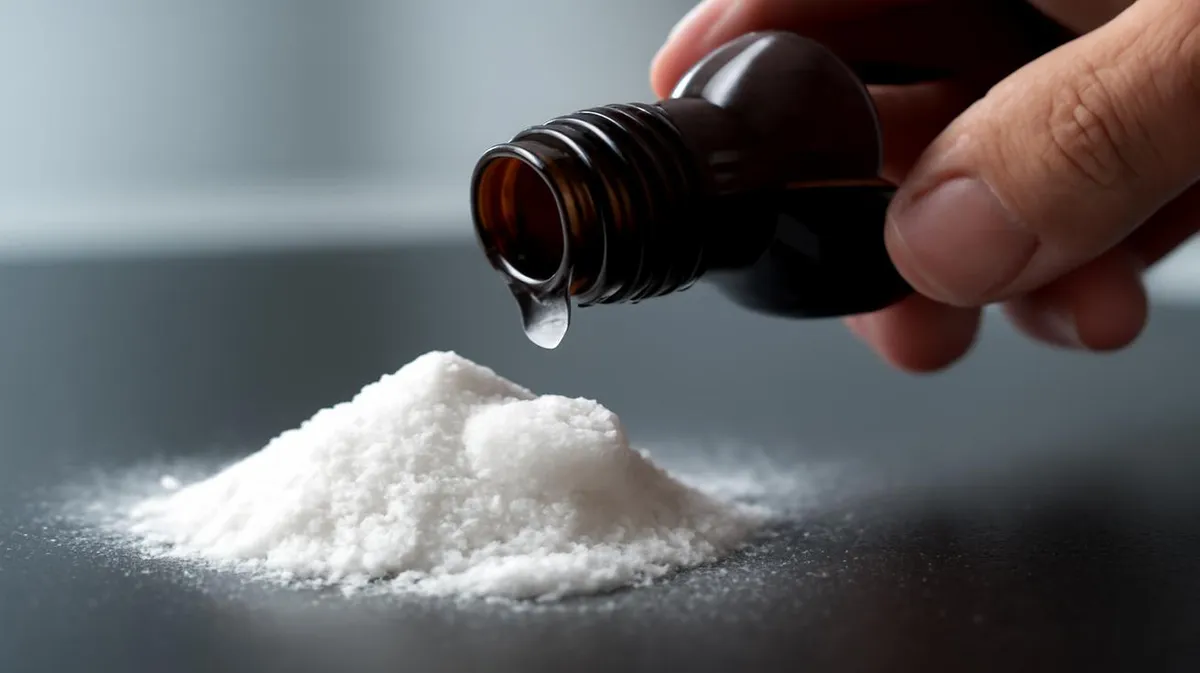
Baking soda and hydrogen peroxide are common household products that react to produce a foaming, grainy paste useful for cleaning. They are used in contexts including chemistry, dentistry, environmental science and cleaning.
Natural cleaners that pack a punch
Baking soda (sodium bicarbonate) is a mildly alkaline powder with a gently abrasive texture. Hydrogen peroxide (H2O2) resembles water but contains an extra oxygen atom and breaks down into water and oxygen gas. The released oxygen can help remove stains, damage bacterial cell walls and reduce odours.
Used together, baking soda and hydrogen peroxide make an effective cleaning combination. Baking soda slows the peroxide’s decomposition, keeping it in contact longer, while the peroxide’s oxygen release helps lift stains and microbes. The result is a foaming, grainy paste that cleans by chemical action and mild abrasion.
Greener cleaning and indoor air benefits
Compared with some conventional cleaners, baking soda and hydrogen peroxide leave fewer persistent residues. Baking soda is a naturally occurring compound and is relatively benign to the environment; hydrogen peroxide breaks down to water and oxygen. Many commercial cleaners emit volatile organic compounds (VOCs) that affect indoor air quality; this pair does not produce those emissions.
The combination aligns with green chemistry principles by reducing hazardous ingredients and waste. Their light, neutral scents do not add the same airborne chemicals associated with some store-bought products.
How to use them in the kitchen
This pair has several kitchen uses. For wooden chopping boards, sprinkle baking soda, drizzle on hydrogen peroxide and let the fizzing paste work into the grooves. For tea and coffee stains in mugs, a spoonful of baking soda with a splash of hydrogen peroxide makes an effective scrub.
Ovens and pans with stubborn stains and odours respond well to the mixture: it can degrease and lift baked-on residue. Hydrogen peroxide can disrupt biofilms, while baking soda’s mild abrasion helps remove the remaining debris.
Laundry and bathroom uses
For sweat stains on laundry, a paste made from equal parts baking soda and 3% hydrogen peroxide helps break down residues and the organic compounds that cause odour. In the bathroom, the paste and a brush can lighten grout and lift soap scum from glass surfaces.
Hydrogen peroxide is not a hospital-grade disinfectant but does provide an antimicrobial effect by damaging cell walls and membranes of bacteria and fungi. Used correctly, the mixture offers a practical, lower-toxicity option for many routine cleaning tasks.
Scientists and product developers are exploring ways to make low-toxicity cleaning systems more efficient. Future formats such as gels and foams may apply the same principles to deliver effective cleaning with fewer additives. Whether at home or in other settings, baking soda and hydrogen peroxide provide a simple, lower‑residue approach to cleaning.