Simple home remedy gets kitchen cupboards sparkling clean
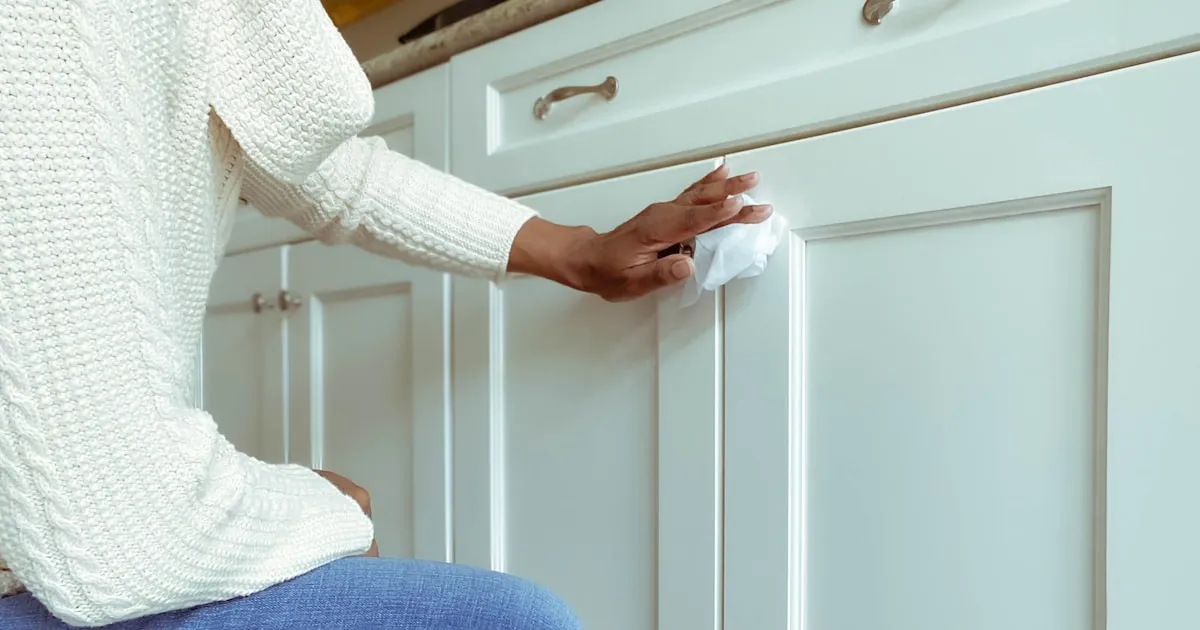
Kitchen cabinets are essential, but over time they pick up a stubborn greasy film. It affects more than appearance and makes cleaning harder. If left, the grease layer can spoil the kitchen’s tidy look and make scrubbing a chore.
Grease mainly comes from cooking. Cooking on the hob or stove releases tiny grease particles into the air that attach to dust. The result is a tacky film, most obvious on cabinets nearest the heat source where those particles are densest. As the film builds slowly, regular cleaners often struggle to shift it.
What’s causing it
That sticky film is an accidental by-product of cooking. Air spreads grease droplets around the kitchen, and when those droplets meet dust they form a clingy substance that sticks to surfaces. You often don’t notice it until the layer is thick enough to be obvious.
Wiping regularly stops the grease hardening into a tougher film that needs stronger measures to remove.
What works: baking soda and other fixes
You don’t need expensive or specialist cleaners. Baking soda (also known as bicarbonate of soda) is a simple, effective household remedy. Make a paste by mixing baking soda with water, apply it with a soft sponge, leave it for a short while, then wipe off with a damp cloth. The mild abrasion helps dissolve grease and lift dirt. For heavier build-up, add a splash of washing-up liquid to boost the degreasing effect.
If you want alternatives to baking soda, vinegar and lemon juice also help. A mix of warm water and vinegar cuts through grease and provides some antibacterial action (vinegar is acidic). Take care, though; vinegar can be harsh on sensitive finishes. A solution of lemon juice and water also dissolves grease while leaving a fresh scent.
How to stop it coming back
Prevention is the simplest approach. Wipe cabinets straight after cooking and get into a routine of regular cleaning with a damp microfibre cloth to remove fresh deposits before they set. Another tip is to apply a very thin coat of cooking oil to clean surfaces; this can reduce how easily new dirt sticks.
Buying cleaners and safety notes
If you’re shopping online for cleaning supplies, be aware that some links may be affiliate links. Buying via those links can earn the publisher a commission, but it won’t cost you more. Look out for underlined links or a symbol indicating this.
Also consider what your cabinets are made of before trying any method. Some substances (vinegar, for example) can be too aggressive for delicate finishes, so pick a cleaner that suits the material to avoid accidental damage.
Dealing with sticky grease on kitchen cabinets is a common household task. With the right cleaning methods and a bit of regular upkeep, whether you use natural remedies like baking soda, vinegar, or lemon juice, or simply wipe things down more often, keeping your kitchen looking clean and fresh is achievable.