Psychologists say people who reach 60 without close friends aren’t necessarily antisocial
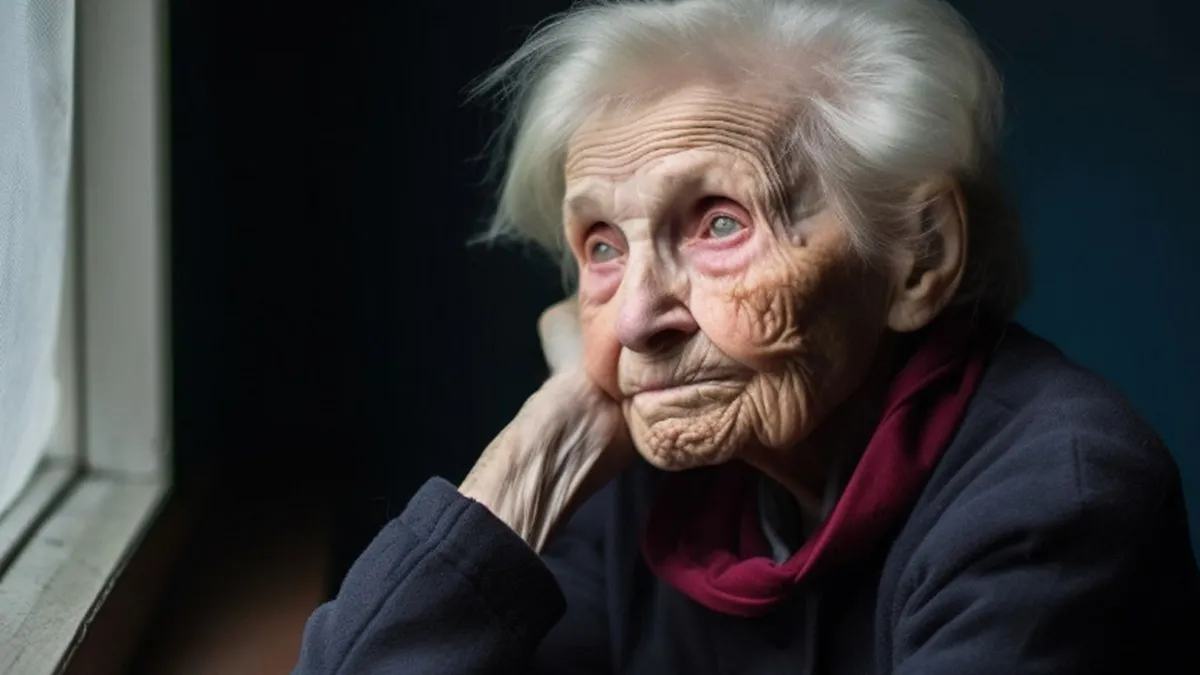
In a society where the size and strength of our social networks often shape how we are seen, a new analysis examines people in their 60s who do not have close friendships. The finding challenges the assumption that a lack of close friends reflects poor social skills, suggesting many of these people have spent large parts of their lives providing emotional support to others. That changes how we might read their social lives.
Why some people become emotional support pillars
The analysis, published by Global English Editing, starts from the observation that many people in their 60s without intimate friends have long been the emotional backbone of their circles. These individuals often act as mediators or intermediaries, taking on listening, advising and resolving conflicts. Alex ‘Sandy’ Pentland, a professor at the Massachusetts Institute of Technology (MIT), notes that these emotional supporters form a distinct social profile and are influential within their circles without expecting much in return.
Their support is not limited to one type of relationship: it is spread across family, colleagues and friends. For years, sometimes decades, they have been the go-to person for comfort and guidance. When that support is not returned in kind, those bonds can weaken over time. Often this becomes apparent after major life changes such as retirement, moving house or changes in family structure.
How support roles evolve and what follows
The psychology of giving ongoing emotional support is complex. That commitment can lead to what is called “emotional wear”: gradual emotional exhaustion. People who absorb others’ feelings and problems tend to become highly sensitive and empathetic, yet they can also experience significant emotional fatigue.
Not having close friendships at this life stage, a situation accepted in many cultures, is not necessarily a sign of poor social skills. It can instead reflect a long history of being relied on too heavily for emotional sustenance. When relationships lack mutual give-and-take, their longevity is threatened, and some of these supporters respond by setting firmer boundaries or reducing their social circles to seek more reciprocal connections.
Rethinking friendships and social networks
The analysis suggests we should broaden how we think about friendship and networks. Healthy relationships normally involve reciprocity — sharing support, celebrations and hardships — but people who have spent decades supporting others may have had few opportunities for that kind of mutual exchange.
The work by Global English Editing explains why some people end up without close friendships as they get older. By reframing their role as emotional sustainers, it reveals an overlooked aspect of social behaviour that can shape life courses.
As the population ages, this finding underlines the value of fostering balanced relationships throughout life. It supports rethinking how ties are built and maintained, and encourages seeking genuine, reciprocal connections so people can have a satisfying social life at any age.