Poner un tapón de corcho en el horno apagado: descubre su utilidad y la razón de esta recomendación
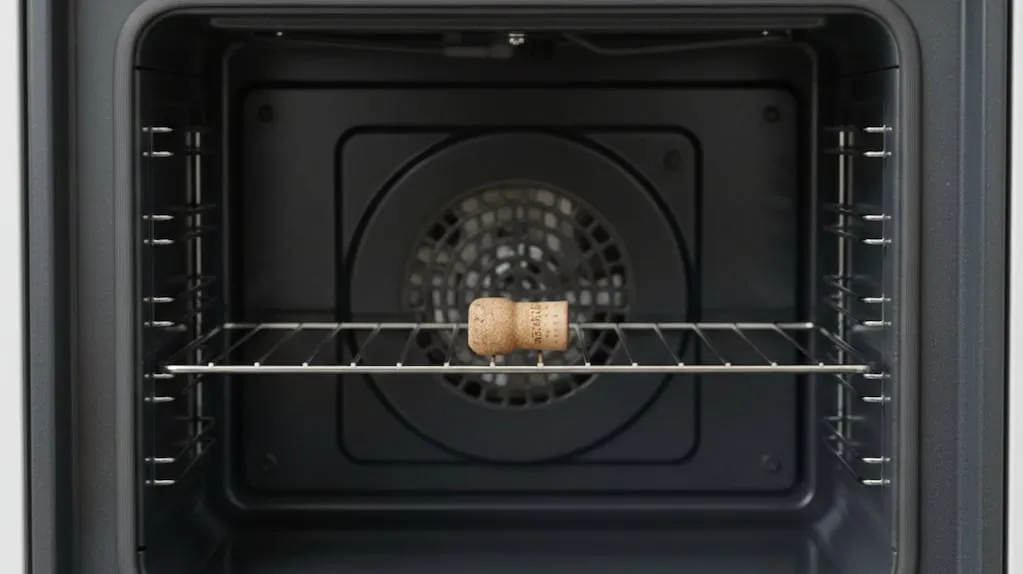
In many homes the kitchen is the hub of activity. That constant use brings a familiar nuisance: ovens can pick up grease and lingering smells. A simple tip is placing a cork in a switched-off oven. The idea is that it reduces odours and helps keep the kitchen cleaner.
Why ovens hold on to smells
Kitchens are where many aromas meet. Cooking strong items, meat, fried food or fish, can leave scents that linger. A switched-off oven can trap these aromas, along with grease and moisture, and release them when it is next used.
Home-organisation and natural-cleaning specialists point out that ovens often gather residues and moisture, which can lead to stale or rancid smells. That is why keeping an oven smelling fresh requires occasional attention.
The cork trick: a simple, effective fix
Putting a cork in a switched-off oven is a simple, homemade and inexpensive trick recommended by home-organisation and natural-cleaning specialists. A natural cork is porous, so it can absorb moisture and odours. It is chemical-free and non-intrusive, so it does not mask smells with artificial fragrances that might affect the scent of food.
The benefits of cork are several. Firstly, it helps absorb odours, reducing strong food and grease smells. Secondly, by lowering internal humidity it prevents stuffy or ‘closed’ smells. Importantly, cork does not alter the aroma of food; it is reusable and environmentally friendly. It is also simple and inexpensive: all you need is a clean, dry cork.
How to use a cork in your oven
To get the most from this method, use a natural cork; wine corks are preferred because they absorb better. The cork should be clean, dry and free of any liquid. Make sure the oven is switched off and cold before you put the cork inside (this avoids any fire risk). Place it centrally, on a tray or directly on the oven rack.
For best results, leave the cork in place for between 12 and 24 hours. Depending on how often you use the oven and how strong the smells are, replace the cork every one or two weeks. If you don’t use the oven daily, the cork can be left in permanently.
Placement matters too. Keep the cork away from visible food or grease residues so it can do its job without becoming contaminated. Try this after cooking particularly smelly meals, when the oven will not be used for a few days, or as part of a weekly tidy-up routine; you should notice an improvement.
A practical, eco-friendly kitchen habit
Using a cork in a switched-off oven is practical, reusable and economical, and addresses a common household issue. Recommended by home-cleaning specialists, it provides an easy way to keep the kitchen fresher without chemical solutions.
As more people seek natural, efficient ways to improve their homes, this simple cork trick fits into everyday routines and can leave your kitchen smelling nicer, similar to other eco-friendly solutions.