Older adults who feel no urge to dye their hair usually possess these six remarkable strengths
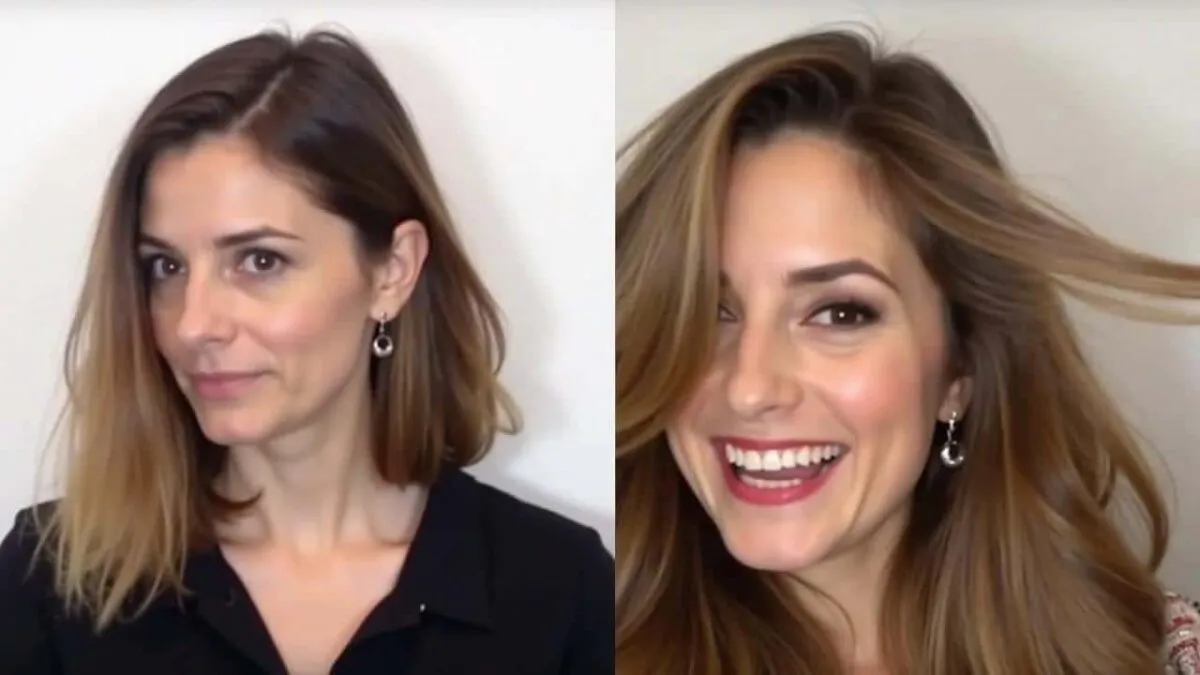
In a world that often equates youth with energy, lots of people dye their hair to hide greys. Recently, more are choosing to let their natural grey show, signalling a greater acceptance of ageing. This change is not only about appearance; it reflects social and psychological shifts in self‑perception and relationships.
Choosing calm over alarm
People who stop dyeing often report greater inner calm. The decision removes the automatic reaction triggered by spotting a grey strand. Rather than an emergency, grey hair can be seen as a sign of experience. Those who embrace their natural colour may alter social dynamics, encouraging honesty and reducing pressure to appear youthful.
A 63-year-old male architect told his story: “In the past,” he said, “I used to slap some colour in quickly between a construction-site appointment and a client meeting. Not for me, because of the expectation.” During the pandemic he stopped dyeing his hair and went back to the office with a full head of grey. At first reactions ranged from concern, “Are you sick?”, to admiration, with a colleague saying he seemed “suddenly very wise.” Over time the comments died down and he found a new sense of freedom.
Being radically honest with yourself
Giving up dye often marks the start of a more honest relationship with yourself. In quiet moments, standing in the bathroom with a paint kit in hand, many people simply decide, “No, not anymore.” Letting go of a long-running routine often comes from the belief that your worth shouldn’t be dictated by hair colour.
Effects extend beyond grooming: people who embrace their greys often find it easier to decline draining social commitments and are less likely to pretend they control everything. One friend said bluntly, “I feel with these filters somehow like a forger,” capturing the dissonance that can come with surface-level fixes.
The courage to take the looks
Going natural requires quiet courage, similar to attending a family gathering after someone says, “You look so much younger with colour.” At first you may feel self-conscious, “naked on the head,” but you gradually build resilience to others’ opinions. This everyday bravery is less dramatic than changing careers at 50, but it can support stability and independence in later life.
Mainstream culture rewards visible acts of bravery, but keeping natural greys is a less obvious form of courage that can support authenticity and self-respect.
A clearer take on relationships and roles
Letting your grey show can act as a filter in personal and professional relationships. One female teacher saw this when her partner said, “Do you have to let yourself go like that?” Remarks like that can reveal dynamics about power and attractiveness. At work, grey hair can change perceptions: a female TV presenter with grey strands may appear more authentic, challenging the repeated appearance of the “35-year-old” ideal. For a male CEO, grey temples can suggest authority, while a female executive with a grey bob may face greater scrutiny.
Choosing to go grey can encourage more genuine connections rather than surface-level compliments, and may increase a sense of belonging and acceptance among family and colleagues.
Getting creative with change
Going natural is not about resisting change but finding different ways to respond. Grey hair, ashy, silvery or almost white, can be varied. People try new cuts or adjust their style to show it off, often using humour to address the shift. Playful comments include, “Now I’ll officially be the person people ask for advice.”
That adaptability can encourage creativity in appearance and in how people tackle wider life challenges, building skills useful in personal and professional crises.
How going grey helps others
Those who embrace their grey hair can become inadvertent role models. In meetings, a flash of natural grey under harsh lighting can prompt younger colleagues to think, “Maybe I don’t have to wait until 60 to look real,” as one woman put it. Neighbours who wear their grey unstyled provide a counterpoint to idealised images of ageing and to anti-ageing culture.
This quiet movement, expressed in statements such as “My body is not a project that is never finished,” encourages more open conversations about ageing, the fear of losing time and pride.
Grey hair goes beyond fashion; it can reflect internal attitudes toward time and self-image. People who choose this path often show calm, sincerity, courage, clarity and creativity, and can act as informal role models. Ask yourself: “Which parts of my life still feel ‘dyed’ and where would it give me relief to be real?” That question can change how you see yourself and others, and encourage a life more aligned with who you are.