Far too rare: How frequently should you actually mop the floor?
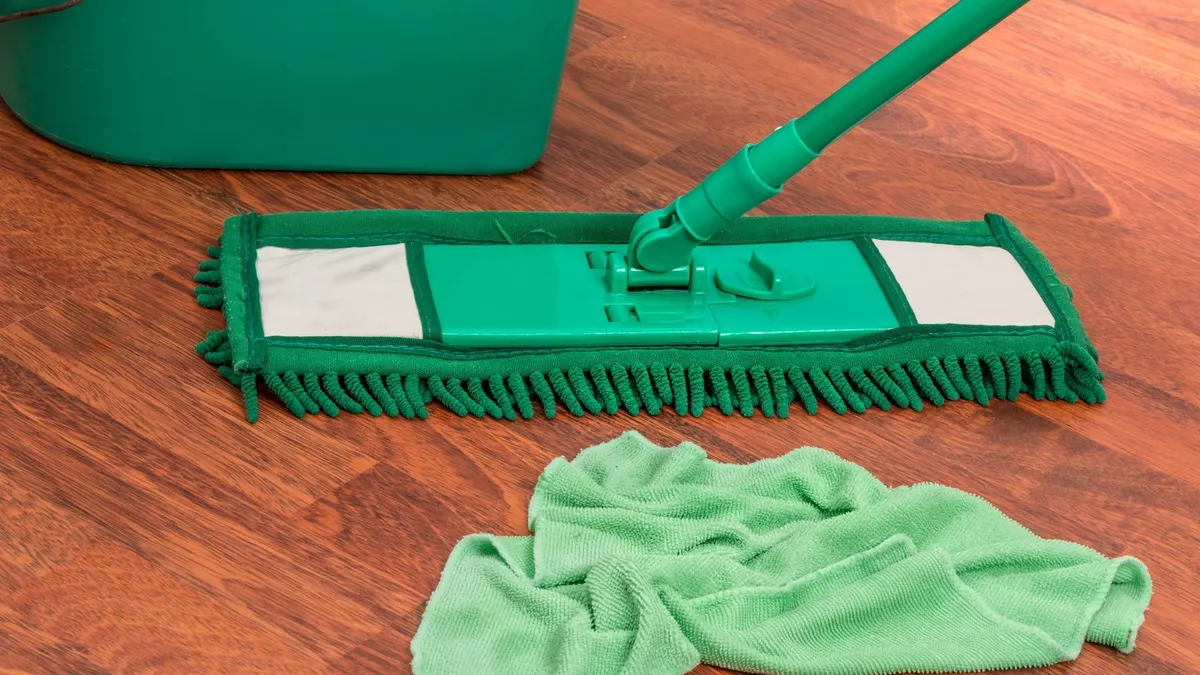
Keeping your home clean matters for hygiene and appearance. Mopping helps, but how often you need to mop depends on who lives in the house and how rooms are used. Frequency will vary.
Daily build-up and why regular cleaning helps
Floors pick up dirt quickly: footprints, pet hair and house dust can build up every day. Left unattended, these depositions turn into grime that looks unpleasant, can be unhygienic and may wear the floor surface. Many households mop less often than they might because of work, leisure and family commitments.
A simple rule of thumb is to mop once a week to prevent visible dirt from piling up. That is flexible: you might mop twice a week if floors get dirty quickly, or every two weeks if you live alone and track little dirt indoors.
How to spot when your floor needs attention
Signs that it is time to mop include: a worn, faded or dull appearance; visible dust, hair and coarse dirt; sticky patches; and grout that holds crumbs and stains. People with allergies, for example to house dust or house dust mites, will often notice these signs sooner.
What affects how often you should mop
How dirty your floors get and your household habits determine the timetable. Consider how many people live there: someone on their own may be fine mopping every two weeks, while a family with young children will probably need to mop more often. Room use matters too: high-traffic areas such as hallways, kitchens and bathrooms need more attention than bedrooms or pantries.
Pets increase the frequency required. Dogs, cats and other animals shed hair, leave food traces and track paw prints that make floors dirty quickly. Vacuum before mopping, especially if there is coarse dirt like pet hair.
Think about the floor material
Different floor types need different care and cleaning frequency.
- Tiles are generally resilient to water damage and can be mopped regularly, using more water than you would on other floors.
- Laminate is relatively low-maintenance, but too much water can leave stains, so use as little water as possible when mopping.
- Parquet (real wood) needs careful handling: clean with a barely damp cloth to avoid swelling and staining. The same applies to cork flooring.
- Wooden floors are particularly sensitive; sometimes it is recommended to avoid water entirely and use specialist products and gentler methods.
Following the appropriate method for each material helps keep floors looking good for longer.
Practical tips
For effective and greener cleaning, choose health-conscious, eco-friendly products; they are less harmful to the environment and to household members’ health. Keep in mind the once-a-week guideline is a flexible benchmark: adjust it according to how dirty your home gets, how many people live there, how each room is used, whether you have pets, the type of flooring and any household allergies.
Regular, intentional mopping helps maintain hygiene and reduce health risks. With planning and appropriate techniques, routine cleaning need not be onerous.