Behavioural researchers reveal that individuals walking quicker than average consistently display shared psychological traits across multiple studies
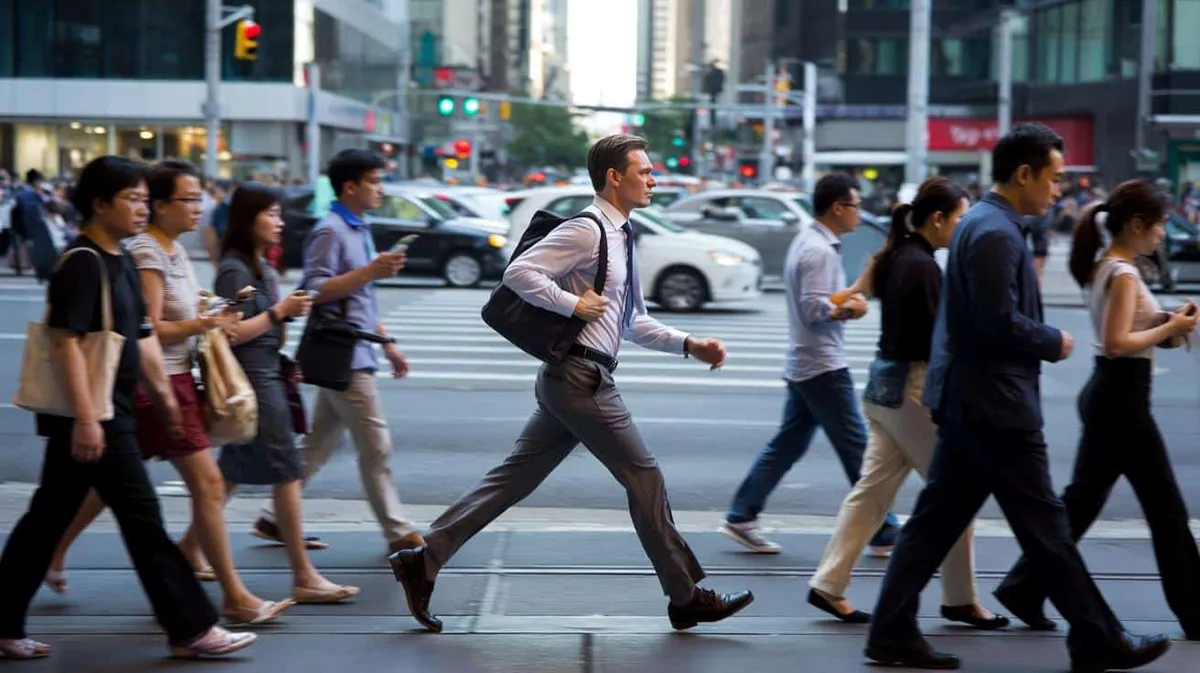
Amid the bustle of city life, many people pace along busy pavements with a noticeably brisk step. Researchers have examined the psychological, physiological and social aspects of fast walking. As cities like New York and Hong Kong have more hurried pedestrians, understanding what drives this behaviour and how it affects urban life is increasingly relevant.
The mind behind a brisk stride
Studies show that people who naturally walk faster often share a set of psychological traits. They frequently have higher self-confidence, increased ambition, and a goal-oriented, efficient mindset. They are often more decisive and better at problem-solving, which aligns with better performance in high-pressure, fast-moving situations. A stronger internal locus of control is also common, linked with heightened self-efficacy.
There are downsides. Moving quickly can increase impatience and sometimes reduce empathy for others. A rapid pace may mean less consideration for slower pedestrians, which can reduce social cohesion in public spaces.
How the body and brain respond
Walking fast affects the body as well as the mind. Physiologically, brisk walking raises heart rate and increases blood flow, supporting the role of physical activity in maintaining health.
On the neural side, the prefrontal cortex (the part of the brain linked to planning and decision-making) is important for fast walkers. This area, associated with executive functions like focus and decision-making, shows more activity during quicker ambulation. The steady rhythm of fast steps may sync with neural activity and promote a more focused, goal-oriented frame of mind.
It goes both ways, and you can change your pace
The link between fast walking and certain psychological traits appears to run both ways. Picking up the pace can shift mindset and behaviour, suggesting some behavioural flexibility. Age, fitness and genetics influence how fast someone can walk, but practice helps.
Practical tips include:
- gradually increasing your pace,
- keeping good posture and technique,
- taking longer strides and
- swinging your arms more confidently.
For safety, find a brisk stride that feels comfortable so you do not put yourself at risk of stress or injury.
What this means for cities and society
More fast walkers in towns and cities brings mixed results. Benefits include improved pedestrian flow and higher individual productivity. Drawbacks include a sense of competitiveness in public spaces and lower social cohesion and empathy.
City planners and policymakers need to balance the needs of quick-moving people with designing inclusive public spaces. Public safety is also affected by smartphones and other digital distractions, which can slow some pedestrians and reduce situational awareness, worsening congestion and increasing safety risks.
Mood, culture and thinking: what changes your speed
Emotions and mood play a significant role in walking speed. Anxiety or stress often push people to walk faster, while depression can slow them down. This can create a feedback loop where walking pace then influences mood and concentration.
Speeds differ by culture and place. Cities such as New York and Hong Kong encourage brisk walking because of population density, urban layout and local norms. By contrast, smaller towns and rural areas usually have a more relaxed tempo.
Overall, the prefrontal cortex is implicated in sharpening focus and decision-making, and the rhythmic nature of quick steps may encourage a more urgent, goal-oriented mindset. While fast walking is linked with traits often found in successful careers, it is only one of many factors. As research develops, fast walking remains a notable aspect of city life that prompts reflection on individual pace and its effects on people and places.