Association advises: Stop airing out your home twice a day from now on
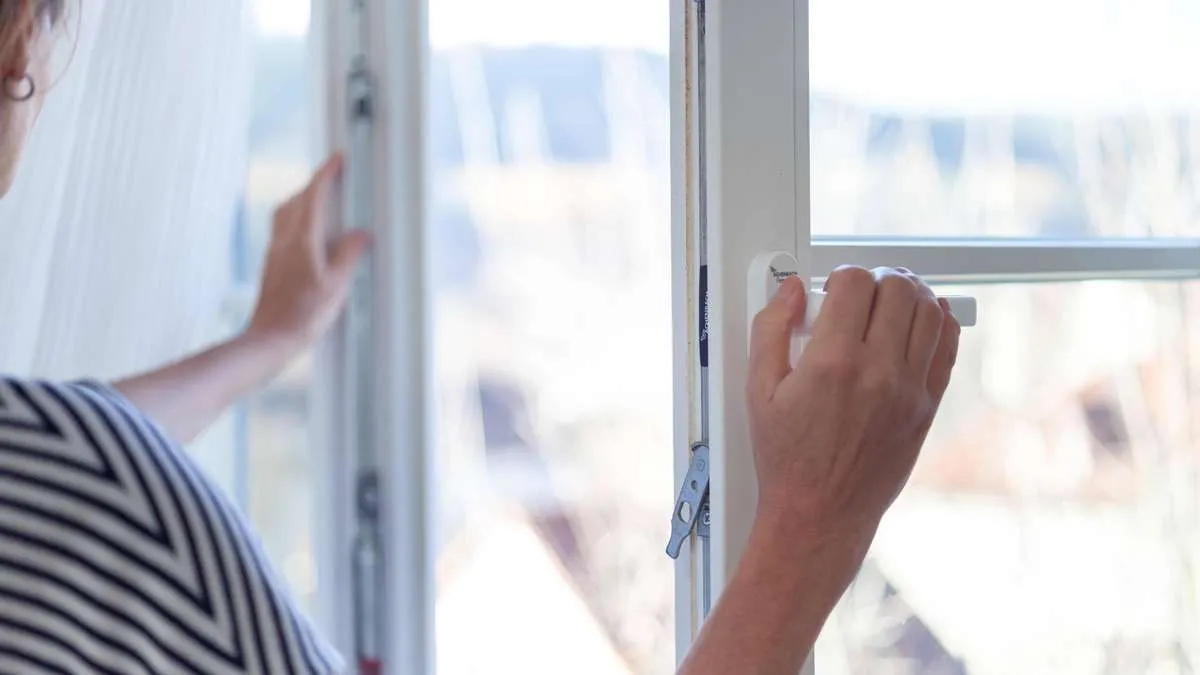
As spring arrives, experts suggest changing how we ventilate our homes. Many people have long aired rooms in the morning and evening, but new advice says that routine can increase heating bills. Consider when you open the windows.
Why the usual morning-and-evening routine needs a rethink
Ventilation sounds simple: open a window and let fresh air in, but the Deutscher Verband Flüssiggas e.V. (DVFG) points out that the morning/evening habit isn’t ideal for spring. Temperatures swing a lot between day and night: daytime can climb to about 15 °C, while nights and early mornings can fall close to freezing (you will often see frost-coated cars). Letting in that colder air at those times cools the house down, so the heating has to come back on and energy use rises.
The DVFG suggests scheduling the last airing of the day in the afternoon, when outside temperatures are usually warmer. Afternoons help keep daytime warmth inside, so the overnight temperature drop will not affect indoor comfort so much.
How to ventilate in spring
The DVFG sets out a clear routine for spring ventilation. Open windows 3,4 times per day for 10,15 minutes each time to get good air exchange without losing too much heat. If indoor relative humidity tops 65%, open a window and aim to get it below 50% after airing.
The Allgemeiner Deutscher Automobil-Club (ADAC) backs this up, saying air exchanges of 10 to 20 minutes are right for spring. They recommend “shock ventilation”, opening several windows wide at once (rapid cross-ventilation), to swap air quickly and save energy. Avoid leaving windows on the tilt position, as that barely refreshes the air but can let heat escape. Turning the heating off shortly before ventilating can also save a little more.
Humidity and mould: what to watch for
Spring brings higher humidity from thawing and rain. VerbraucherFenster Hessen warns that moist outside air entering a flat can condense on cold surfaces and lead to mould. A hygrometer (an inexpensive device that measures indoor relative humidity) can help you know when to ventilate so rooms stay dry and healthy.
Dirty radiators also use more energy, so include them in your spring cleaning. Switch them off and let them cool before you clean them, as this is safer and more effective, especially in bathrooms and kitchens where humidity can make dust cling to heating elements.
Simple steps for smarter home management
These ventilation tips sit alongside other ways to cut energy use and costs. Keeping radiators clean and using smart airing routines can reduce heating bills.
They can also lower your environmental footprint and improve comfort. Advice from the DVFG and the ADAC gives a straightforward route to adjusting habits for spring and encourages a considered approach to managing homes for comfort, efficiency and sustainability.