According to psychology, those entering their 60s without close companions aren’t lacking social skills — they’re often the ones who spent years shouldering others’ emotions until mutual friendship seemed almost alien
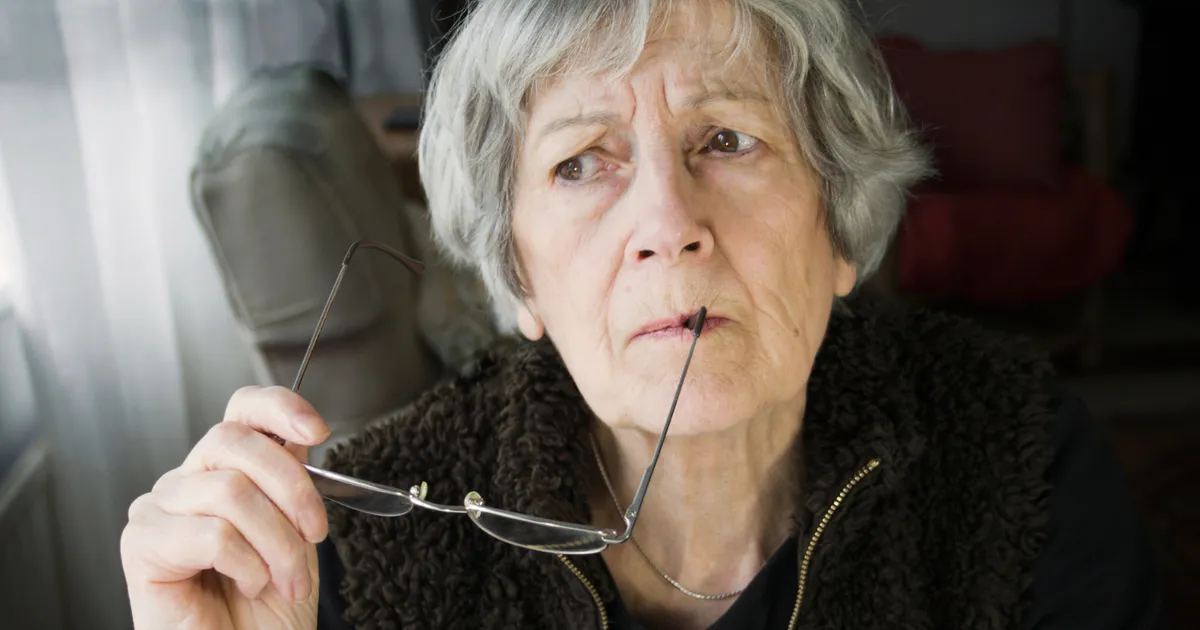
If someone reaches their 60s without close friends, people often assume they’re antisocial or unable to connect. The reality is more complex. Many have spent decades offering emotional support to others, shouldering other people’s problems without receiving the same in return. This one-sided emotional labour (the work of supporting others emotionally) is often read as an inability to form bonds, when it can actually reflect a long habit of putting other people first and neglecting one’s own social needs. Seeing that pattern helps explain why seeking friendships that offer mutual care becomes important later in life.
what the narrator tells us
The narrator, a 73-year-old retired woman, illustrates this with personal stories. From childhood, she learned to measure her worth by how useful she was, first while helping raise younger siblings and later in dealing with emotionally needy parents. That people-pleasing tendency continued for decades and only began to change in her 50s when she actively tried to do things differently.
Retirement was a turning point. It showed how fragile workplace friendships can be once the daily routine disappears. She describes being “everyone’s emotional anchor” and how that led to long, one-sided ties. A notable example: she pulled away from a 20-year-long friendship after the friend sent only a brief condolence text when her mother died, despite the years of support the narrator had given during that friend’s marital troubles. Moments like that underline the value of relationships where support goes both ways.
what research and experts say
Recent studies on emotional contagion (where people unconsciously mimic and absorb others’ feelings) show how draining it can be to take in other people’s emotions constantly. As we age, that unconscious mirroring can increase anxiety and depression; the studies describe feeling depleted “at a cellular level.”
The narrator gives a small, clear example from a grocery trip. She watched a woman, about her own age, spend a 20-minute conversation helping an elderly man. Afterwards the woman gave a tiny physical sigh, as if she’d briefly shrugged off the weight of what she’d taken on. That scene illustrates how giving and constant availability can wear someone down.
Experts back this up. Alex ‘Sandy’ Pentland, a professor at MIT, points to a common mismatch in how people see friendships and how those feelings are returned. He says, “People generally assume that when they consider another person a ‘friend,’ that person also thinks of them as a friend.” That gap in expectations helps explain why setting boundaries and showing vulnerability can lead to disappointment.
how to find fairer friendships
Addressing the problem means taking deliberate steps to build more balanced relationships. The narrator urges people to learn to spot who genuinely cares and who takes advantage of emotional support. Setting boundaries helps protect one’s peace of mind and breaks the pattern of being everyone’s “emotional emergency room.”
Small, honest steps can make a difference. For instance, when someone asks “How are you?”, answering truthfully (it need not be a long account) can act as a simple test to see who stays. Believing you deserve the same care you give others is key to creating healthier social ties.
thinking differently about ageing and friendships
The piece suggests reconsidering how we judge older adults who seem to lack close friends. Many of them have been dependable givers, so used to defining themselves by their usefulness that asking for help feels awkward. Real friendships rely on give-and-take, clear boundaries and genuine celebration of life’s highs.
Changing long-standing habits is difficult, but possible with honesty, some vulnerability and deliberate choices. As social patterns and individual behaviours shift, it is worth reassessing who we keep in our lives. Building connections based on mutual respect and care makes later life more rewarding and reshapes what friendship means.