According to psychology, people raised in secure, nurturing homes may appear less streetwise—not from low intellect, but because their minds never needed to form the hyperalert habits trauma survivors often confuse with insight
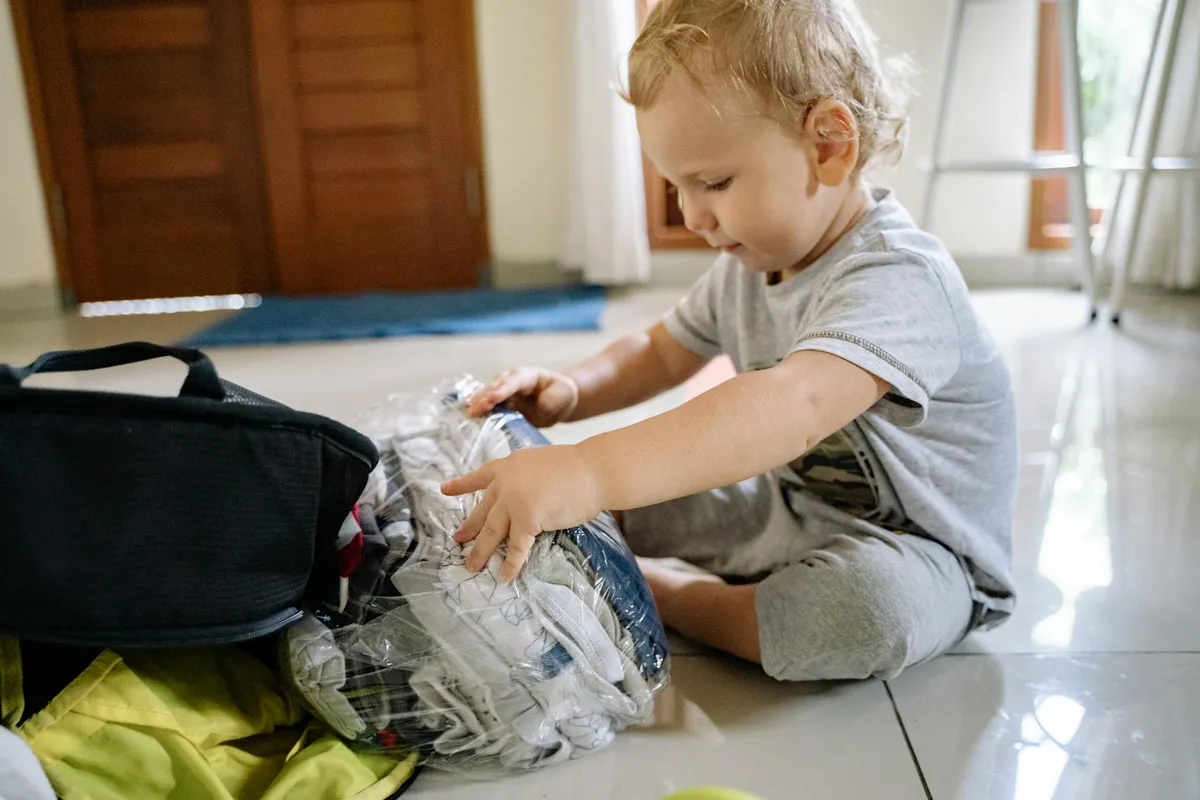
In what ways do childhood experiences mould the structure of our brains and change how we see the world as adults? Studies in psychology and neuroscience show that early-life environments, whether steady or full of challenges, play a major role in brain development. These differences result in distinct skill sets for life.
How early experiences change the way we think
Research shows that adversity in early life can reshape a child’s brain, altering how threats, attention and social cues are handled later on. These shifts often lead to a rewiring of the nervous system early in life. By contrast, people raised in stable, loving households may appear less street-wise. That is not about intelligence but about different adaptations. Society sometimes calls these people “naïve” or “sheltered”, which reflects a bias that equates intelligence with suspicion.
The narrator is an example of someone raised in a safe setting. Through vivid anecdotes, they describe a calm childhood despite the family’s money worries. The mother, a committed nurse, often worked two shifts and was at times away for two days. The father worked in construction and came home too tired for arguments, showing a family dynamic that, while not wealthy, offered a peaceful atmosphere.
Finding your feet in adult life
The narrator’s timeline shows growing self-awareness. A turning point came at age 25, when they had a toxic manager who could size people up within five minutes during meetings. That episode prompted reflection about preparedness through their twenties and into their thirties. They began therapy at 31, which opened up several insights, including this line: “you can admire the skills someone developed from hardship without romanticising the hardship.”
Adult life brings challenges that need more than street smarts. People from stable backgrounds often find comfort in friendships where being vulnerable isn’t treated as a cost. The narrator describes the soothing realisation that their so‑called “golden retriever energy”, as a friend named Sarah puts it, is something others value.
What the brain science says
Childhood adversity can alter how the brain works. The amygdala, the brain’s threat‑detection centre, can become overly responsive, while the prefrontal cortex (important for planning ahead) may develop more slowly under chronic stress. Elevated cortisol levels (the stress hormone) make these changes worse, creating a pattern of hypervigilance, like a smoke detector that goes off for minor causes.
A hypervigilant brain brings strengths, such as sharper pattern recognition and practical survival skills useful in dangerous situations. But those adaptations often have a cost; constant scanning leaves a person exhausted and can make neutral cues look threatening. As people age, these brains tend to use up their resources faster, showing different ageing patterns.
By contrast, people from stable homes often build stronger prefrontal circuits for nuanced problem‑solving and emotional regulation. They might trust others more readily and be labelled “too open”, but they can have an advantage in emotional intelligence.
What society makes of it
The story also highlights cultural attitudes that praise resilience born of hardship: the ‘scrappy kid who came up from nothing’. That celebration can unintentionally demean those whose strengths grew in steady environments. It may help to stop ranking these adaptations and instead ask which traits are more useful to adults today. With adult life often rewarding trust and teamwork more than suspicion, it is worth asking: which traits serve you now?
Acknowledging these differences lets us see varied childhood experiences as different kinds of assets. Recognising the strengths each background brings helps us value emotional depth alongside strategic thinking and encourages a kinder view of what makes people capable.