8 Additions to Your Mop Water That Leave Floors Smelling Fresh
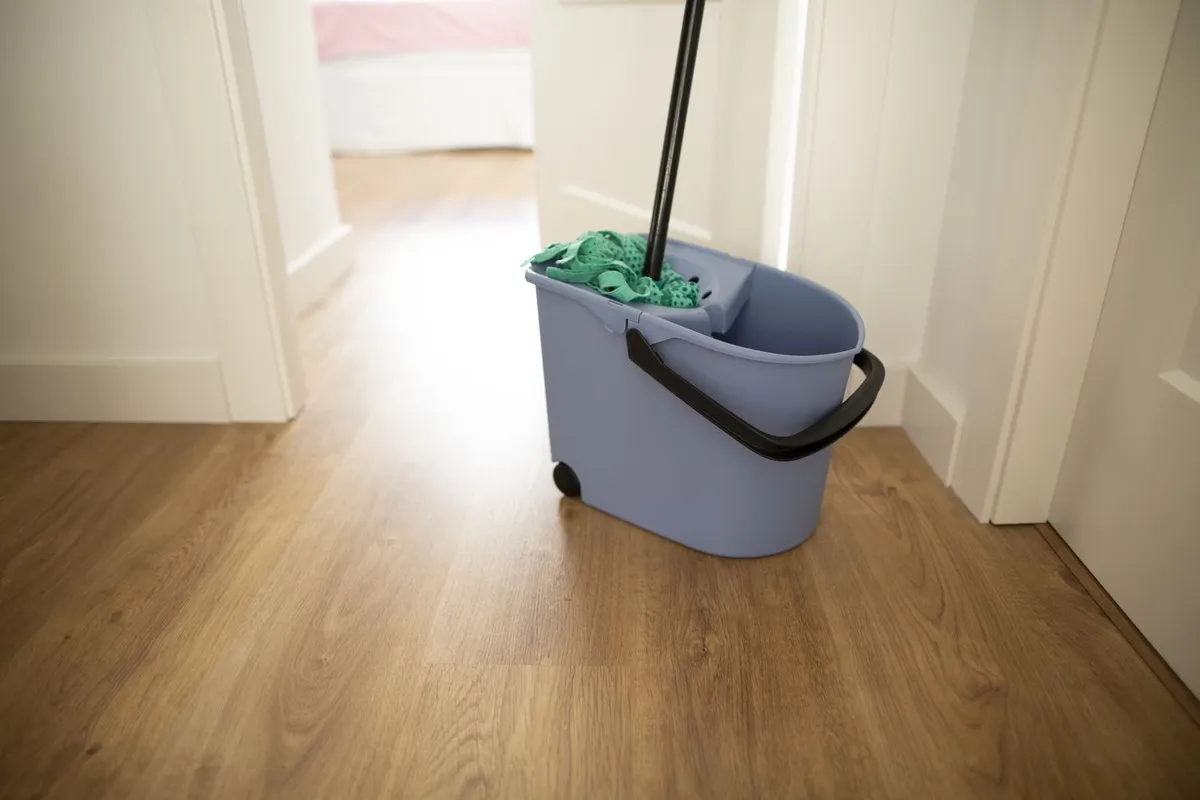
For many people, mopping feels more like a chore than a treat. The heavy bucket and the elbow grease put a lot of us off. Still, getting a clean floor that actually smells pleasant afterwards can make the effort feel worthwhile. Even plain warm water and soap will leave a faint scent for a little while. To find better options, two cleaning experts were asked for their favourite additions to mop water that both clean well and leave a lasting fragrance.
Give your mop water a lift with essential oils and lemon juice
Adding essential oils to your mop water is a simple way to improve the scent. Unlike standard lemon-scented cleaners, essential oils are available in many aromas and can be mixed safely with natural cleaners such as baking soda. For example, a mix using 118 ml of baking soda in a bucket of warm water can take a few drops of essential oil without harming the floor. Lemon oil helps cut grease and smells fresh, tea tree oil has antibacterial and antifungal properties, and lavender provides a calming scent that can make the home feel calmer.
Lemon juice is another simple, effective add-in. Use about 59 ml in your mop water. Its acidity not only lifts grime but also kills germs and breaks down soap scum and hard-water marks. It works particularly well on tile or vinyl floors, leaving them looking polished and smelling fresh.
Everyday items that work: dish soap, baking soda and more
If you don’t have essential oils or lemon juice handy, dish soap is a reliable fallback. Just 5 to 10 ml per 3.8 litres of water will cut grease and dissolve sticky residues, which makes it great for kitchen floors and busy areas. Many dish soaps come scented (green apple, berry and so on), so they will help your home smell pleasant while you clean.
Baking soda is both a cleaner and a deodoriser. Its alkaline nature and mild abrasive action help lift scuff marks, dried spills and sticky gunk from sealed tile, vinyl and linoleum. It is especially useful in odorous spots like pet areas, doorways and kitchens. A guide of 30 ml per 3.8 litres of mop water makes a solid cleaning mix.
You can also reuse kitchen scraps and tea bags. Boil leftover citrus peels and strain the liquid into your mop bucket for a fruity, grease-cutting boost. For a more earthier aroma, steep bags of herbal tea (peppermint, chamomile or green tea) and add the infusion to the mop water. These options are sustainable and eco-friendly, and herbal teas bring some natural antibacterial qualities while cutting down on waste.
Old favourites: vinegar, Castile soap and shop-bought cleaners
White distilled vinegar is an effective cleaner and deodoriser because of its acidity. Mix it at a 1:10 ratio with warm water to dissolve grime and mineral deposits and to neutralise smells. One of the experts noted that vinegar also gives floors antibacterial properties, making it a versatile product.
Castile soap is a gentler alternative to dish soap that is good value and capable of tackling tough marks. Add 5 ml to a bucket of warm water, or boost the scent with a few drops of essential oil.
There are plenty of commercial floor cleaners too. A few drops in your mop water can improve the aroma thanks to their surfactants and longer-lasting fragrances. Always follow the dilution instructions on the label to make sure they are used safely and work properly.
Using essential oils for a calming atmosphere or lemon juice for its germ-killing properties can make mopping more rewarding, leaving floors clean and the home smelling fresh. Greener options such as citrus peels and herbal tea reduce waste while adding scent, which can make routine mopping easier to justify as part of home care.